Should You Buy a Used EV? What to Check First
Buying a used EV? Check battery health and leftover warranty, open recalls, charging ports and cables, connector type and real-world range first.
By AutoDex Team, Newsroom · 2026-10-15
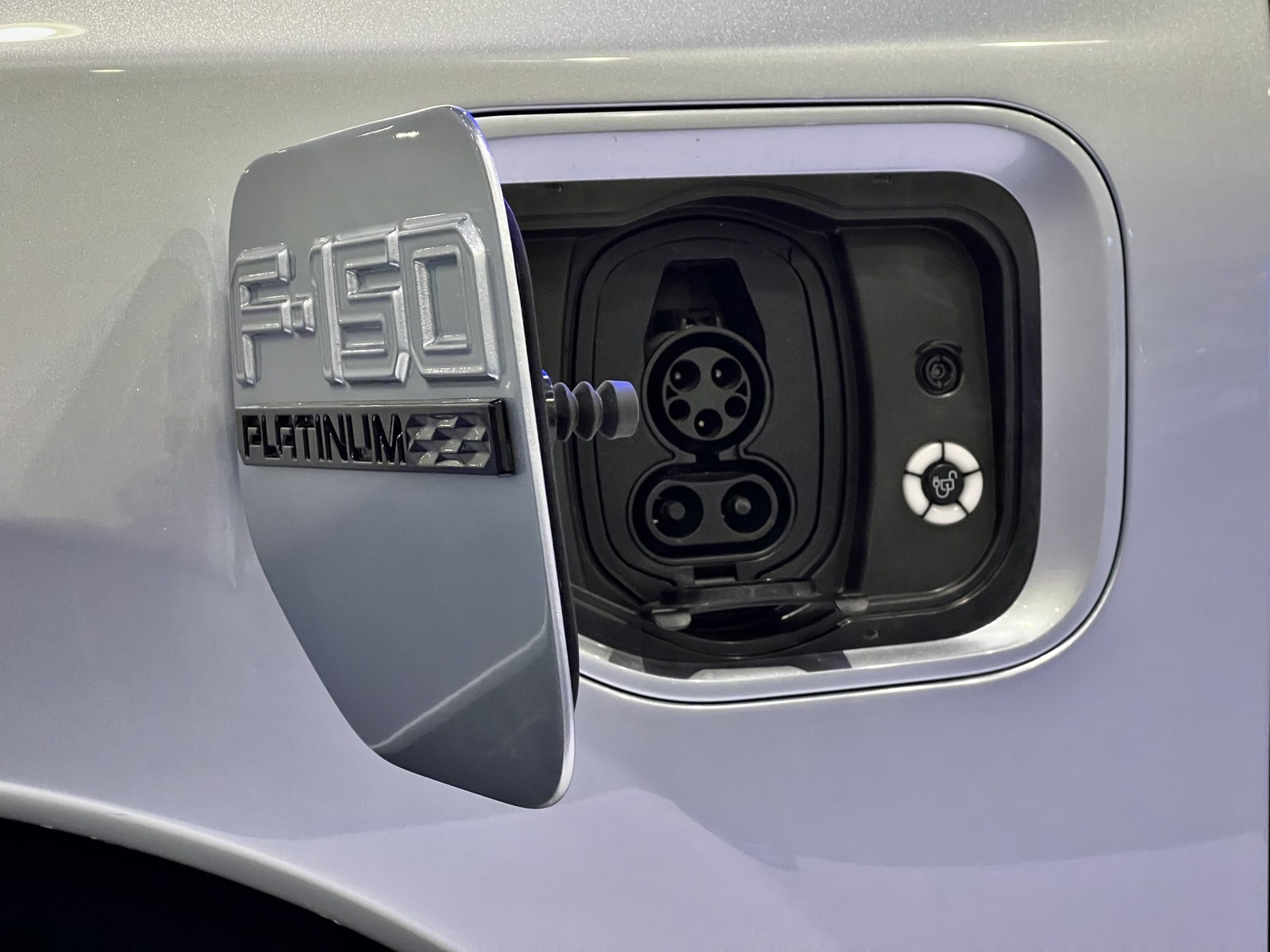
Used electric vehicles can be bargains—EVs often depreciate faster than gas cars—but the checklist is different. The expensive part is the high-voltage battery pack. Consumer Reports calls the sweet spot a vehicle still under battery warranty that has already taken a big price drop. Walk through these checks before you sign.
Battery health: get a real number
Every traction battery loses some capacity over time. That is normal. What you need is a state of health (SOH) figure—usable capacity versus when the pack was new—and how that maps to today's range.
- Ask for a photo of the dash after a full overnight charge, then compare the estimated range with the original EPA label for that year and model. Consumer Reports and AAA both recommend that comparison.
- Request a dated, VIN-specific battery health report. AAA recommends Recurrent reports many dealers already offer; some shops also run third-party OBD-based tests.
- On the road, watch whether the range estimate drops roughly in step with miles driven in mild conditions—not a lab test, but a useful clue.
Cold weather and cabin heat can slash displayed range, so do not judge SOH from a winter morning alone. Prefer a professional EV inspection if the report looks thin or the seller will not produce one.
Battery warranty: what is actually required
Many shoppers hear that "federal law guarantees" an 8-year/100,000-mile EV battery warranty. That is not how the rules read today.
- Manufacturer practice: The U.S. Department of Energy's Alternative Fuels Data Center notes that many makers offer 8-year/100,000-mile battery warranties. Consumer Reports says nearly all EVs use that timeline (some Tesla models are longer), that coverage is usually transferable, and that terms often define capacity floors such as about 70%—check the warranty booklet for this VIN.
- Federal emissions warranty: EPA rules treat EV/PHEV traction batteries as a major emission-control component with an 8-year/80,000-mile defect warranty for many light-duty vehicles, with the battery provision optional before model year 2027 for vehicles at or below 6,000 pounds GVWR (see 40 CFR 85.2103). That federal warranty covers defects, not a guaranteed capacity percentage.
- California: For 2026 and later model-year zero-emission and plug-in hybrid batteries certified for sale in California, CARB regulation 13 CCR 1962.8 requires manufacturers to warrant battery state of health so it does not fall below 70% for eight years or 100,000 miles (2026–2030 model years), rising to 75% for 2031 and later. Advanced Clean Cars II waiver and enforcement questions have been contested—verify current applicability with the dealer or CARB for a California-certified 2026+ model.
Bottom line: read the remaining months and miles on the manufacturer battery warranty for the VIN you are buying. Do not assume a federal 100,000-mile capacity guarantee.
Open recalls
Enter the 17-character VIN at NHTSA's free recall lookup. Unrepaired safety recalls should be fixed by a dealer at no charge. Pair that check with an AutoDex Vehicle History Report, which consolidates ownership, accidents, service, recalls and warranties into one shareable file ($19.99 one time, or two premium reports with Pro)—then confirm open items on NHTSA, because report data can lag.
Charging port, cable and connector type
Inspect the charge port door, seals and inlet for corrosion, melted plastic or bent pins. Check any portable EVSE (Level 1/2 cable) for cracked insulation and a firm connector fit.
Know which plug the car uses:
- Older Leaf, Soul EV and i-MiEV models often use CHAdeMO for DC fast charging—far less common at U.S. stations today; adapters exist but are not universal (Consumer Reports).
- Many recent non-Tesla EVs used CCS.
- The industry is shifting to the Tesla-style NACS connector, standardized as SAE J3400. Major North American automakers have committed to native J3400 ports; SAE published connector/inlet standard J3400/2 in May 2025, with broader native NACS rollout through 2026 (California Energy Commission NACS statement). A used CCS car may need a manufacturer-approved adapter for some Superchargers or NACS-only stalls.
Also ask about the car's maximum DC charge rate. Early EVs that top out near 50 kW will not use a 150–350 kW stall the way a newer model can.
Real-world range—and cold weather
EPA range is a lab estimate. Heat, cold, speed and hills change the number. DOE-linked testing at Argonne National Laboratory found average BEV range fell about 41% at 20°F and about 54% at 0°F versus a 72°F baseline when cabin temperature was held at 72°F (Argonne summary). AAA's EV range testing likewise found about a 41% combined-range drop at 20°F with HVAC on. Precondition while plugged in and lean on seat heaters when you can.
Software, subscriptions and features
Navigation, remote apps, driver-assist packs and some comfort features may depend on an active account or subscription. Consumer Reports notes that month-to-month subscriptions generally expire with the prior owner, while features bought outright more often stay with the car—but policies vary. Get a written list of which features work without a new login or fee, and confirm current software. Some makers may limit battery-warranty remedies if required updates were ignored.
Tires: EVs are heavy
Battery packs add mass. AAA says EVs are generally 25% to 50% heavier than comparable gas models, deliver instant torque that stresses tread, and notes EV tires often wear about 20% faster—sometimes lasting only 10,000 to 20,000 miles depending on use. Consumer Reports likewise flags faster tire wear from weight and torque. Check tread depth (our penny-test guide still applies), look for EV-rated replacements with the right load index, and budget for earlier rotations and replacements.
Used clean vehicle tax credit: current status
Do not plan a purchase around the federal Previously-Owned Clean Vehicle Credit. The IRS and FuelEconomy.gov state that credit is not available for vehicles acquired after September 30, 2025. Acquisition means a binding written contract plus a payment by that date; possession can be later only if acquisition met the deadline. On typical 2026 dealer sales, buyers should not expect that federal used-EV credit. Check state or utility rebates separately on the AFDC incentives list.
Put it together—and get a pro look
Before money changes hands:
- VIN recall check on NHTSA
- Battery SOH report plus remaining factory battery warranty in writing
- Charge-port and cable inspection; confirm connector type and peak charge rate
- Honest range expectations for your climate
- Software/subscription inventory
- Tire depth and load rating
- Independent pre-purchase inspection by a technician or dealer experienced with that EV's high-voltage system
Keep receipts and battery reports in the AutoDex Logbook—one-tap entries, receipt scans, imports and exports—so the next shop (or the next buyer) sees what you already verified. A history report plus a solid logbook will not replace a lift inspection, but they sharpen the questions you ask.
Sources
- IRS: Used Clean Vehicle Credit
- FuelEconomy.gov: Vehicle Tax Incentive FAQs
- AFDC: Maintenance and Safety of Electric Vehicles
- eCFR: 40 CFR 85.2103 Emission warranty
- California Code of Regulations title 13, § 1962.8 (battery warranty)
- CARB final regulation text § 1962.8 (PDF)
- NHTSA: Check for Recalls
- Consumer Reports: What to Know Before Buying a Used Electric Vehicle
- Consumer Reports: Why You Might Need to Subscribe to Get Certain Features
- AAA: Battery Health Reports for Used Electric Vehicles
- AAA: EV Tires – Is There a Difference?
- AAA: Electric Vehicle Range Testing Report (PDF)
- Argonne National Laboratory: Passenger Car BEVs under Extreme Weather
- DOE VTO Program Record: Impact of Cold Ambient Temperatures on Electric Vehicles (PDF)
- Recurrent: How to Test the Battery in your Electric Car
- California Energy Commission: Updated Statement on J3400 NACS (Oct 2024)
- SAE: J3400/2 Connectors and Inlets for NACS (May 2025)
- AFDC: State & Federal Incentives
Cover photo: WMrapids, via Wikimedia Commons (CC0 1.0).
Tags: used cars, electric vehicles, vehicle history report, recalls, tires, service records
Continue on the desk
- AutoDex Vehicle History Report: What's Inside and How to Use It
- How to Keep Every Service Record With the AutoDex Logbook
- Tire Tread: The Penny Test and When to Replace Your Tires
- Average Car Age Hits a Record 12.9 Years: What It Means
- Dashboard Warning Lights: What Each Color Means and What to Do
- Check Engine Light: What Steady vs. Flashing Means and What to Do
AI car diagnostics · Vehicle history and VIN lookup · Digital Maintenance Vault · Car expense and cost tracker · Plans and pricing