Average Car Age Hits a Record 12.9 Years: What It Means
The average U.S. car or light truck is now about 12.9 years old, a record. Here's why owners keep cars longer and what it means for upkeep and buying used.
By AutoDex Team, Newsroom · 2026-10-12
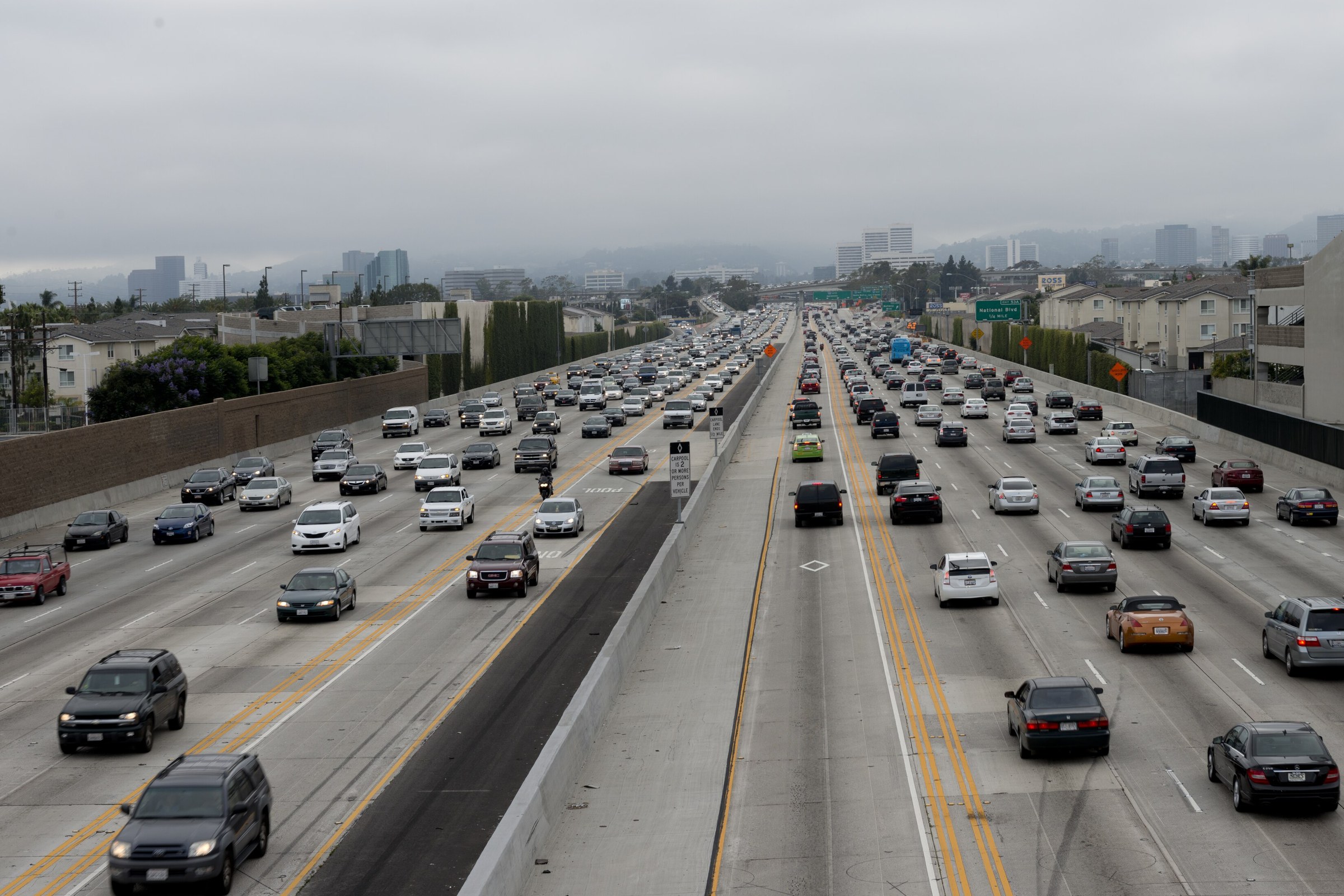
The cars and trucks on American roads have never been older. The average light vehicle in operation in the U.S. has reached a record 12.9 years, according to the Auto Care Association's 2027 Auto Care Factbook, released in June 2026.
That number has been climbing for years, and the forces behind it aren't going away soon. Here's what the data shows, why people are holding on to their vehicles, and what an older fleet means for the way you maintain, document and buy a car.
The number and the trend
Several industry trackers measure the age of the U.S. fleet. Their methods and timing differ slightly, but they point the same way.
- S&P Global Mobility, whose annual study is the most widely cited benchmark, put the average age of U.S. cars and light trucks at 12.6 years in 2024, then 12.8 years in 2025. Each was a two-month increase and a new record. The Bureau of Transportation Statistics publishes the same S&P series in its national transportation tables.
- The Auto Care Association reported a record 12.9 years in its June 2026 Factbook.
- The AAPEX 2026 media guide, drawing on Auto Care Association and MEMA research, puts the figure at 12.94 years, up from 12.8 a year earlier, Tire Review reports. It lists passenger cars at an average of 15 years and light trucks at 11.9.
- Lang Marketing estimates that light vehicles averaged 13.0 years at the beginning of 2026, according to Aftermarket Matters, and expects the average to keep rising.
The split between cars and trucks matters. In S&P's 2025 study, passenger cars averaged 14.5 years while light trucks, which include SUVs and pickups, averaged 11.9. Americans have been buying far more trucks and SUVs than cars for years, so the remaining cars skew older. S&P says the number of passenger cars on U.S. roads fell below 100 million for the first time since the early 1970s.
The fleet is also getting bigger, not just older. S&P counted 289 million light vehicles in operation in 2025, up 3 million from a year earlier, with a steady scrappage rate of about 4.5%. New sales topped 16 million in 2024, but that wasn't enough to pull the average age down.
Why people are keeping cars longer
No single cause explains the trend. The sources point to several working together.
- New vehicles are expensive. The average new vehicle sold for $50,089 in August 2026, according to Kelley Blue Book, and the average sticker price has stayed above $50,000 since April 2025. S&P's analysts cite "high new and used prices" as a stress on the fleet, and the Auto Care Association says inflation and higher vehicle prices "have reinforced consumer reliance on existing vehicles."
- Financing is costly. Edmunds puts the average APR on a financed new vehicle at 7.0% in the third quarter of 2026, and 10.6% for used vehicles. The average new-car payment hit a record $787 a month, and a record 25.5% of new-car loans ran 84 months or longer.
- The pandemic left a gap. S&P says COVID and the supply shortages that followed disrupted vehicle supply and registrations. Vehicles under 6 years old made up about 35% of the fleet in 2019. S&P doesn't expect that group to get back to 90 million vehicles until 2028, when it would be about 30% of the fleet.
- Cars last longer than they used to. S&P points to "the durability of modern vehicles" as one factor. Consumer Reports says a well-maintained modern car from a brand known for reliability should be capable of 200,000 miles or more, and notes that today's metals resist rust better than in the past.
What it means for owners
When the typical car on the road is pushing 13 years old, the condition of the car in front of you matters more than the year on its title. Two vehicles of the same model and age can be in very different shape depending on how they were driven and maintained.
That puts more weight on routine care. Consumer Reports' guide to making a car last 200,000 miles comes down to a few habits:
- Follow the schedule in your owner's manual. CR's chief mechanic, John Ibbotson, sums it up: "It is either pay now or pay more later." For older cars, he suggests considering the manual's severe-duty schedule.
- Plan for the big milestones. CR says the 100,000-to-150,000-mile range often brings major services such as a timing belt, if your engine has one, plus spark plugs and other parts. Those jobs can cost $1,000 or more, but CR notes they're usually far cheaper than a new vehicle.
- Build a car fund. CR suggests setting aside $50 to $100 a month while the car is financed, and more once it's paid off, so repairs after the warranty don't come as a shock.
- Don't ignore new noises or lights. CR advises having rattles and strange sounds checked early, before they turn into bigger problems.
Recalls deserve a fresh look on an older car. NHTSA's VIN lookup shows safety recalls that haven't been repaired, but it only covers recalls from the past 15 calendar years, except where a manufacturer offers more. On a vehicle that's 13 or 14 years old, the oldest campaigns may soon fall outside that window, which makes your own record of completed recall work more useful.
What it means for used-car buyers
An older fleet means older cars on the used market, and more of them have been through several owners. Mileage and model year only tell part of the story.
Consumer Reports advises researching the specific model's known problems, asking to see maintenance records and having the car inspected by a mechanic before you buy. A vehicle history report can show reported accidents, title brands, odometer readings and open recalls. The Federal Trade Commission is clear that a history report is not a substitute for an independent inspection, because reports typically don't list mechanical problems. Use both.
What it means for fleet managers
Businesses are making the same call as households. In Element Fleet Management's 2026 Market Pulse survey, 36% of North American fleet respondents said they are actively delaying vehicle replacements because of tariff-driven cost increases, Automotive Fleet reports. Cost savings was the top priority for 78% of fleets.
The report notes that aging vehicles can raise maintenance budgets and increase the risk of unplanned downtime. For fleets stretching replacement cycles, that makes per-vehicle records essential:
- Track cost by vehicle. Knowing what each unit has cost to maintain over time shows which ones are worth keeping and which are becoming money pits.
- Log every service with date and mileage. Consistent records make it easier to schedule preventive work and to spot a vehicle that keeps coming back for the same repair.
- Keep the history with the vehicle. A complete record is easy to hand to the next buyer when a unit finally leaves the fleet.
Keeping an older car's story straight
The longer you keep a vehicle, the more its history matters, both to you and to whoever owns it next. A few AutoDex tools are built for that.
The AutoDex Logbook stores each service with the date, mileage, shop and cost, and can scan receipts so you don't have to type them. You can set a next due date or mileage for reminders, then export a PDF for your shop or a CSV that fleet managers can drop into their own tracking tools.
When an older car starts talking, our dashboard warning lights guide and check engine light explainer help you judge how urgent it is. For a new squeal, click or hum, AutoDex Sound Diagnostics, now in beta, lets you record the noise and get a plain-language finding to share with your mechanic.
Shopping used? The AutoDex Vehicle History Report gathers ownership, accident, mileage, service and recall records in one file. Treat it as the starting point for your questions and your pre-purchase inspection, not the final word.
The fleet will likely keep aging for a while. The owners who come out ahead will be the ones who know what their car needs, and can prove what it has already had.
Sources
- Auto Care Association: 2027 Auto Care Factbook release (June 11, 2026)
- S&P Global Mobility: U.S. Vehicle Age Rises Again to 12.8 Years in 2025 (May 21, 2025)
- S&P Global Mobility (Mobility Global): Average Age of Vehicles in the US Rises to 12.8 Years in 2025
- S&P Global Mobility (Mobility Global): Average Age of Vehicles Hits New Record in 2024
- Bureau of Transportation Statistics: Average Age of Automobiles and Trucks in Operation in the United States
- Tire Review: AAPEX Media Guide Outlines 2026 Automotive Aftermarket Outlook
- Aftermarket Matters: Vehicle Age Differences Affect Key Aftermarket Sectors (Lang Aftermarket iReport)
- Kelley Blue Book: Average New-Vehicle Transaction Price Moves Back Above $50,000 in August (Sept. 10, 2026)
- Edmunds: New-Car Financing Records Pile Up in Q3 (Oct. 1, 2026)
- Consumer Reports: What Is a Reasonable Life Span for a Modern Car?
- Consumer Reports: How to Make Your Car Last 200,000 Miles and More
- NHTSA: Recalls Look-up by VIN
- Federal Trade Commission: Buying a Used Car From a Dealer
- Automotive Fleet: Report: 36% of Fleet Managers Are Delaying Replacements
Cover photo: Carol M. Highsmith, Library of Congress.
Tags: car maintenance, service records, vehicle history report, used cars, recalls
Continue on the desk
- Tire Tread: The Penny Test and When to Replace Your Tires
- How to Keep Every Service Record With the AutoDex Logbook
- Dashboard Warning Lights: What Each Color Means and What to Do
- AutoDex Vehicle History Report: What's Inside and How to Use It
- AutoDex Sound Diagnostics: Record a Car Noise, Get a Read
- Check Engine Light: What Steady vs. Flashing Means and What to Do
AI car diagnostics · Vehicle history and VIN lookup · Digital Maintenance Vault · Car expense and cost tracker · Plans and pricing