Car Maintenance Prices Are Up 7.8%. How to Keep Up Without Overpaying
Car maintenance prices rose 7.8% in a year, about twice overall inflation. Here's what's driving it and how to stay on schedule without overpaying.
By AutoDex Team, Newsroom · 2026-10-22
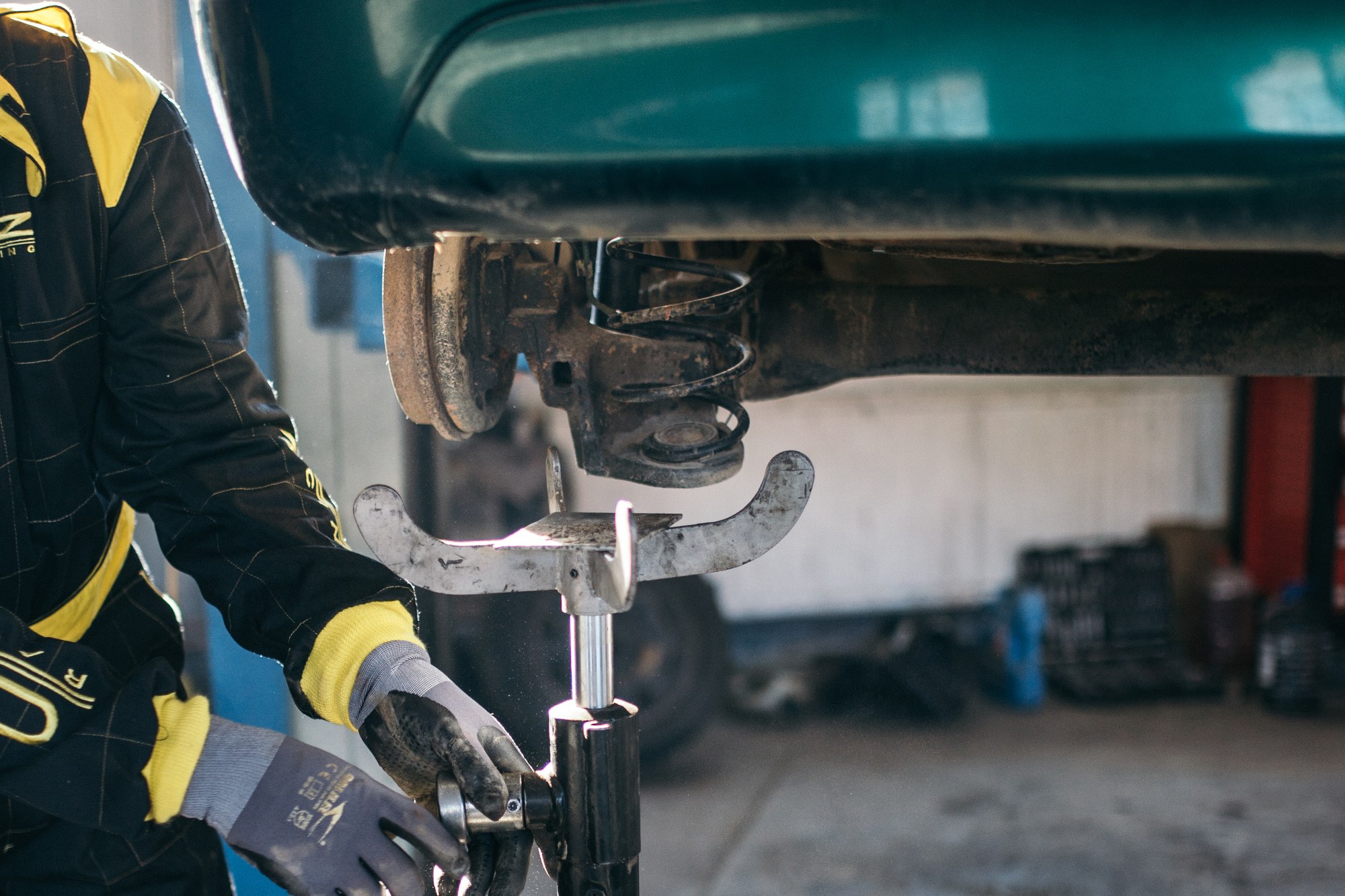
Keeping a car in good shape costs noticeably more than it did a year ago. Prices for motor vehicle maintenance and servicing rose 7.8% in the 12 months through September, according to Consumer Price Index data the Bureau of Labor Statistics released Oct. 14 (BLS data, via Autobody News). That's about twice the 3.7% rise in overall consumer prices. The broader maintenance and repair category, which also covers repair and body work, rose 5.8%.
Many drivers are already feeling squeezed. In a survey of 1,000 U.S. drivers ages 25 to 64, taken Sept. 18–20 for the repair chain Midas, 66% said they couldn't afford a surprise $500 repair, and 53% said they had delayed or skipped recommended maintenance in the past year (Midas via PR Newswire). Midas sells the services it asked about, so treat the numbers as one company's poll, not an independent study.
Skipping maintenance isn't the answer. Paying only for what your car actually needs, at a fair price, is. Here's how.
What's pushing prices up
The BLS figures point to service, not parts on a store shelf. Among the September details:
- Maintenance and servicing: up 7.8% over the year.
- Body work: up 6.0%.
- Repair: up 3.5%.
- Parts and equipment: up just 0.8%, with tires up 0.2%.
Labor is a big part of that. Posted mechanical labor rates at shops rose 13.2% in a year, to $161.75 an hour in August, according to National Autobody Research's LaborRateHero data cited by Autobody News. Figures vary by source. BofA Securities puts average labor at $216 an hour at independent shops and $253 at dealers. The two use different samples, so compare quotes in your own area rather than relying on a national number.
Cars are also harder to work on. The Bureau of Labor Statistics notes that technicians now need to know electronic systems and sensors, including those used for accident avoidance, and expects growing demand for calibration of advanced safety systems. Those systems add up quickly. In a 2023 AAA study, replacing and calibrating driver-assistance sensors made up 37.6% of the average cost across four common repair scenarios. Replacing a side mirror with a built-in camera averaged about $1,500, and the camera accounted for 70.8% of that.
Cars are getting older, too. The average light vehicle on U.S. roads is now a record 12.9 years old, according to the Auto Care Association (more in our story), and older cars generally need more service.
Follow the manual, not the menu
Your owner's manual is the best guide to what your car needs and when. The Federal Trade Commission notes that some shops set their own schedules that call for more frequent service than the manufacturer recommends. Compare any shop's list with your manual, and ask the shop to explain anything extra.
Oil changes are a good example. Many modern cars can go well past the old 3,000-mile rule. Our guide to oil change intervals explains how to find the right interval for your car and driving.
Get it in writing, then compare
Before any work begins, ask for a written estimate. The FTC says it should list the problem, the parts and the expected labor charge, and state that the shop will call you for approval before going over a set amount. Some states require this. A few more habits help:
- Ask how labor is priced. Some shops charge a flat rate based on a standard time for the job. Others bill the actual hours worked.
- Ask about diagnostic fees and whether they apply if you take the repair elsewhere.
- Get a second opinion on big jobs. The FTC recommends one for expensive or complicated repairs.
- Find a shop before you need one. Ask people you trust for recommendations, check certifications such as ASE, and compare repair warranties.
- Keep the final repair order. It should list each repair, the parts and their cost, labor charges and the odometer reading.
Dealer or independent? It depends on the job
The cheapest place for an oil change isn't always the cheapest place for a big repair. BofA analysts found that dealers often price routine services such as oil changes below independents but charge more for bigger, more complex jobs, largely because of higher labor rates (TradingView/Seeking Alpha). For routine work, price both. For a major repair, a quote from a qualified independent shop may be worth getting. For complex electronics or safety-system calibration, ask whether the shop has the equipment and training to do it right, as AAA advises.
Ask about parts
Ask whether the estimate uses original-equipment (OEM) parts or aftermarket ones, and what each would cost. The FTC notes that new parts can come from the carmaker or an independent company, that prices and quality vary, and that remanufactured parts are another option. Some states require shops to tell you when non-original parts are used.
Using aftermarket parts or an independent shop won't by itself void your factory warranty. The FTC says it's illegal for a dealer to deny warranty coverage just because someone else did routine maintenance or repairs. Coverage can be denied for damage the manufacturer shows was caused by a faulty part or bad installation, so choose quality parts and a shop you trust.
Check what's already covered
Before paying for a repair, make sure someone else isn't supposed to.
- Recalls are free. Search your VIN on NHTSA's recall lookup. NHTSA says manufacturers must fix recalled safety defects at no charge and recommends checking twice a year.
- Read your warranty. Know when the factory coverage ends, and get problems checked before it does, as the FTC advises.
- Check any service contract. If you bought one, read what it covers, the deductible and whether you have to pay first and get reimbursed.
If money is tight
If a repair is unavoidable but the bill isn't, ask the shop about payment plans. In the Midas survey, 37% of drivers said flexible payment options would get them to keep up with maintenance even when money is tight. Read the terms first, including any interest, fees and late penalties, and compare them with other ways to pay.
It also helps to ask which items are urgent and which can safely wait a few weeks. A good technician should be able to tell you, and to explain why.
Simple checks you can do yourself
You don't need tools or training to catch problems early. A few minutes a month helps:
- Tire pressure. NHTSA recommends checking all tires, including the spare, at least once a month when they're cold, using the pressure on the driver's door jamb label, not the tire. NHTSA says proper inflation can save as much as 11 cents a gallon on fuel.
- Tread depth. Try the penny test.
- Fluids and leaks. Check the oil and coolant as your manual describes. The FTC notes that a puddle's color can hint at what's leaking.
- Lights, wipers and warning lights. Know what your dashboard warning lights mean, and don't ignore a flashing check engine light.
Leave brakes, suspension, safety systems and anything under high voltage to a qualified technician.
Why putting it off costs more
> Skipping maintenance doesn't make the bill go away. It usually makes it bigger.
The FTC warns that because many parts are interrelated, neglecting even simple maintenance, such as changing the oil or checking the coolant, can lead to poor fuel economy, unreliability and costly breakdowns, and may void your warranty. NHTSA adds that poor tire maintenance can cause flats, blowouts or tread separation, while good tire care extends tire life. A worn part caught early is usually a smaller job than the damage it causes when it fails. Exact savings vary by car and repair, and we haven't found a reliable national figure, so be wary of anyone quoting one with certainty.
For fleet managers
Rising labor rates hit fleets on every vehicle. Hold vendors to written estimates and approval limits, compare dealer and independent pricing by job type, and run VINs through recall lookups on a schedule. Track cost per vehicle against manufacturer schedules so you can spot upsells and repeat work. BofA's dealer survey found that 56% of dealers reported customer pushback on pricing, a sign that shops are watching price sensitivity, too (TradingView/Seeking Alpha).
Keep a record of every visit
A service history is one of the simplest ways to avoid overpaying. In the AutoDex Logbook, tap +, log the service with its date and mileage, and scan the receipt. Store warranty papers and other documents in the Document Vault. With your history in one place, it's easier to follow the manufacturer's schedule, avoid paying twice for the same work and see how prices change from one visit to the next. Fleet coordinators can export records for the whole team. If a new noise is what's sending you to the shop, AutoDex Sound Diagnostics can help you describe it before you go.
Cover photo: Shixart1985, via Wikimedia Commons (CC BY 2.0).
Sources
- BLS: CPI series, motor vehicle maintenance and servicing (CUUR0000SETD02)
- BLS: CPI series, motor vehicle maintenance and repair (CUUR0000SETD)
- Autobody News: Vehicle Maintenance and Repair Prices Up 5.8% as Auto Insurance Index Edges Up (Oct. 14, 2026)
- Midas via PR Newswire: Majority of U.S. Drivers Report They Can't Afford an Unexpected $500 Car Repair (Oct. 6, 2026)
- TradingView/Seeking Alpha: Car dealerships facing pushback on expensive repairs (BofA Securities)
- BLS Occupational Outlook Handbook: Automotive Service Technicians and Mechanics
- AAA Newsroom: Fixing Advanced Vehicle Systems Makes Up Over One-Third of Repair Costs Following a Crash (2023)
- AAA Newsroom: New Vehicle Technologies Double Repair Bills for Minor Collisions (2018)
- Auto Care Association: 2027 Auto Care Factbook release (average vehicle age)
- FTC: Auto Repair Basics
- FTC: Auto Warranties and Auto Service Contracts
- FTC: FTC Offers Tips on Making the Most of Your Auto Warranty (2011)
- NHTSA: Check for Recalls
- NHTSA: Tire Safety (TireWise)
Tags: car maintenance, ownership costs, service records, oil changes, recalls
Continue on the desk
- Check Engine Light: What Steady vs. Flashing Means and What to Do
- Tire Tread: The Penny Test and When to Replace Your Tires
- AutoDex Sound Diagnostics: Record a Car Noise, Get a Read
- Dashboard Warning Lights: What Each Color Means and What to Do
- How Often Should You Really Change Your Oil?
- How to Keep Every Service Record With the AutoDex Logbook
AI car diagnostics · Vehicle history and VIN lookup · Digital Maintenance Vault · Car expense and cost tracker · Plans and pricing